
Cart (0)
Close

Fuel Storage Education Center
Modern fuels degrade faster than ever. Ethanol-blended gasoline absorbs moisture. Ultra-low sulfur diesel oxidizes and loses lubricity. Kerosene can form deposits during long-term storage.
If you store fuel for generators, agriculture, marine use, fleets, heating systems, or emergency preparedness, stabilization is critical.
This Fuel Storage Education Center explains:
- How long does diesel fuel last without treatment
- How long does gasoline and E10 fuel last
- Kerosene storage best practices
- What PRI, PRI-G, and PRI-D stand for
- Whether PRI-G and PRI-D are interchangeable
- The difference between professional-grade stabilizers and retail brands
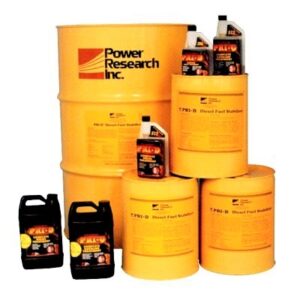
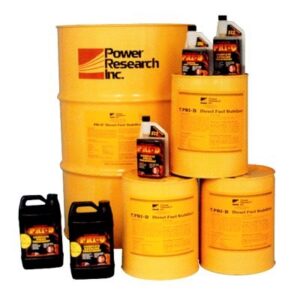
Primary stabilization products discussed:
Explore Fuel Storage Topics
➤ Diesel & Kerosene Fuel Storage Guide
➤ Gasoline & E10 Ethanol Storage Guide
👉 Understand gasoline oxidation, ethanol phase separation, and how PRI-G extends fuel life.
➤ PRI vs Retail Stabilizers Comparison
👉 See how PRI products compare to common consumer fuel stabilizers.
➤ PRI Stabilizer Reviews and Stale Fuel Rejuvenation
👉 See how independent reviews favor PRI products.
Fuel stability starts with understanding fuel chemistry — not marketing claims.
-
PRI-G Fuel Stabilizer Reviews | Rejuvenates Stale Fuel
Learn how PRI-G Fuel Stabilizer rejuvenates stale gasoline. Independent reviews and real-world results show why PRI-G is the trusted fuel treatment for all gasoline-powered equipment. Click the triangle in the white circle above and to the left to watch the video, ‘The ONLY Fuel Additive That ACTUALLY Rejuvenates Stale Fuel!’ and see it in action.