

Cart (0)
Close

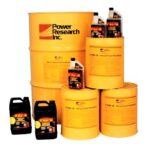

Diesel & Kerosene Fuel Storage Guide (PRI-D Focus)
-
Guarantee safe checkout


Share :
Description
Diesel & Kerosene Fuel Storage Guide
Diesel and kerosene are middle-distillate fuels. They are more stable than gasoline but still degrade over time.
How Long Does Diesel Fuel Last Without Treatment?
Untreated ultra-low sulfur diesel (ULSD) typically lasts:
- 6–12 months under ideal storage conditions
- Less when there’s heat, oxygen exposure, or moisture contamination
Degradation leads to:
- Sludge formation
- Asphaltene dropout
- Injector deposits
- Reduced combustion efficiency
The Lubricity Problem in ULSD
Modern ULSD has reduced natural lubricity due to sulfur removal. Reduced lubricity can increase wear in:
- Injectors
- High-pressure fuel pumps
- Precision fuel system components
PRI-D contains a lubricity component in addition to oxidation control.
This is one of the key differences between PRI-D and many retail stabilizers.
How PRI-D Extends Diesel Storage Life
PRI-D works by:
- Interrupting oxidation chains
- Improving combustion efficiency
- Reducing carbon formation
- Supporting lubricity in modern diesel systems
- Helping restore degraded fuel (within limits)
Manufactured by Power Research Inc., PRI-D is used in bulk tanks, agriculture, marine, fleet, and generator storage.
Kerosene Storage
Kerosene can last 1–5 years in clean, dry storage. However, long-term storage may still result in:
- Oxidation
- Sediment formation
- Water accumulation
Because kerosene is a middle distillate fuel, PRI-D is generally the appropriate stabilization option.
Can PRI-D Be Used in Gasoline?
In an emergency, yes.
For gasoline storage, use PRI-G.
If gasoline is part of your inventory, explore performance documentation on the PRI-G fuel stabilizer reviews and aged gasoline treatment page.
Return to:
👉 Fuel Storage Education Center
👉 PRI vs Retail Stabilizers
Reviews (0)
Related products
-
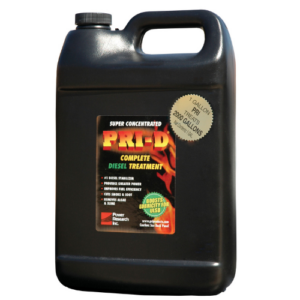
PRI-D Gallon 6 Pack – Case Lot Sale
Original price was: $510.00.$468.00Current price is: $468.00. -
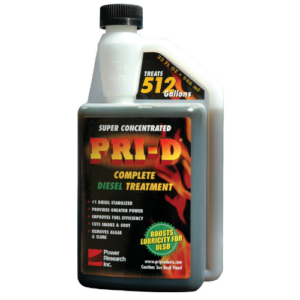
PRI-D-32 oz 2 Pack
Original price was: $65.00.$61.50Current price is: $61.50. -
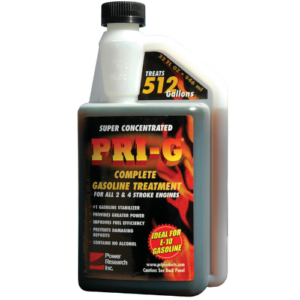
PRI G 32 oz (2 Pack)
Original price was: $65.00.$61.50Current price is: $61.50.
Recently viewed products
-
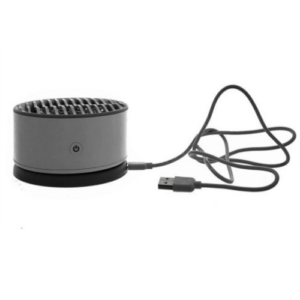
Portable Fruit and Vegetable Sterilizer COH10-C5B – USB Rechargeable Produce Cleaner & Food Purifier
Original price was: $69.00.$65.00Current price is: $65.00.
)
Reviews
There are no reviews yet.